
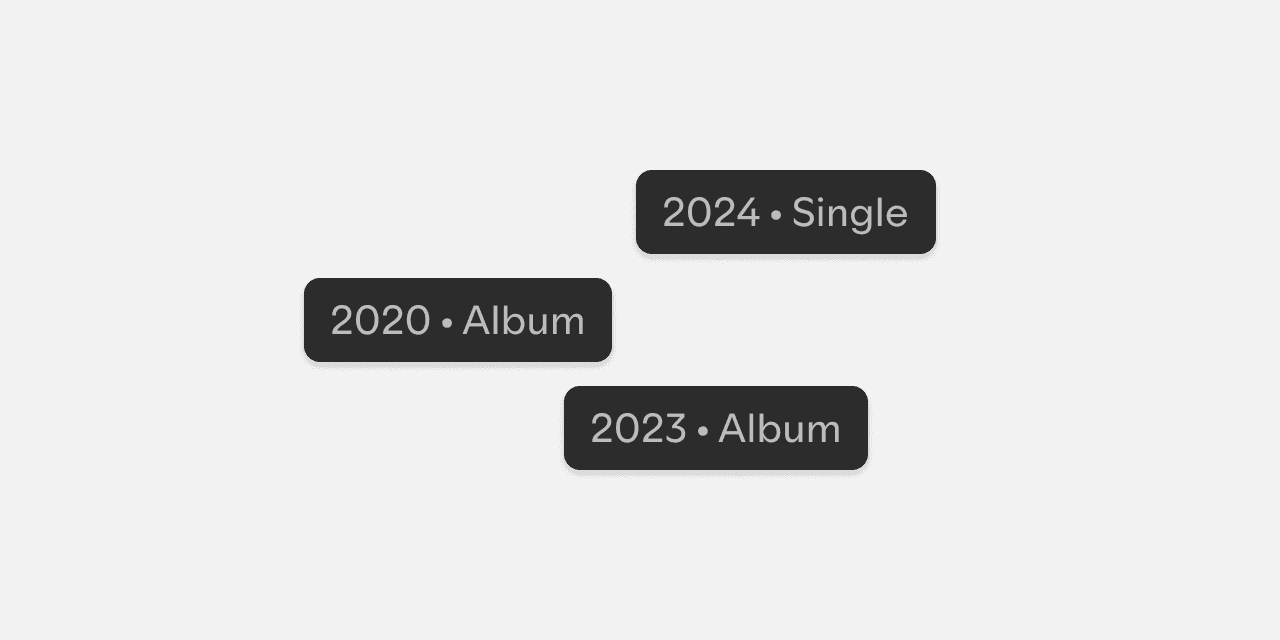
A catalogue built over years, not a few months
Real artists release music in an organic rhythm. It takes time to create a record. AI-generated projects often have dozens of releases in a short period of time, as they only have to write a prompt.

Real people visible behind the music
Look for real photos, interviews, behind-the-scenes, with their imperfections. AI-artists usually have photos that are too polished. Or they don't show any identity at all.
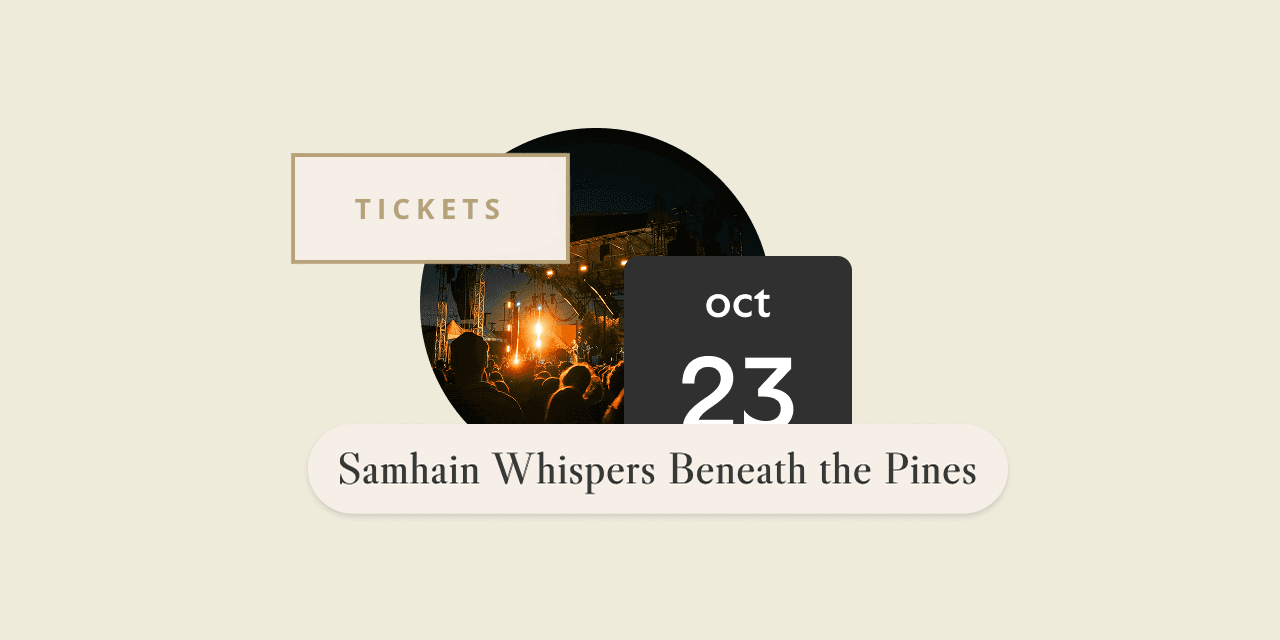
Live performances in real venues
Real artists play in real places. Generated artists don't tour. They can't.
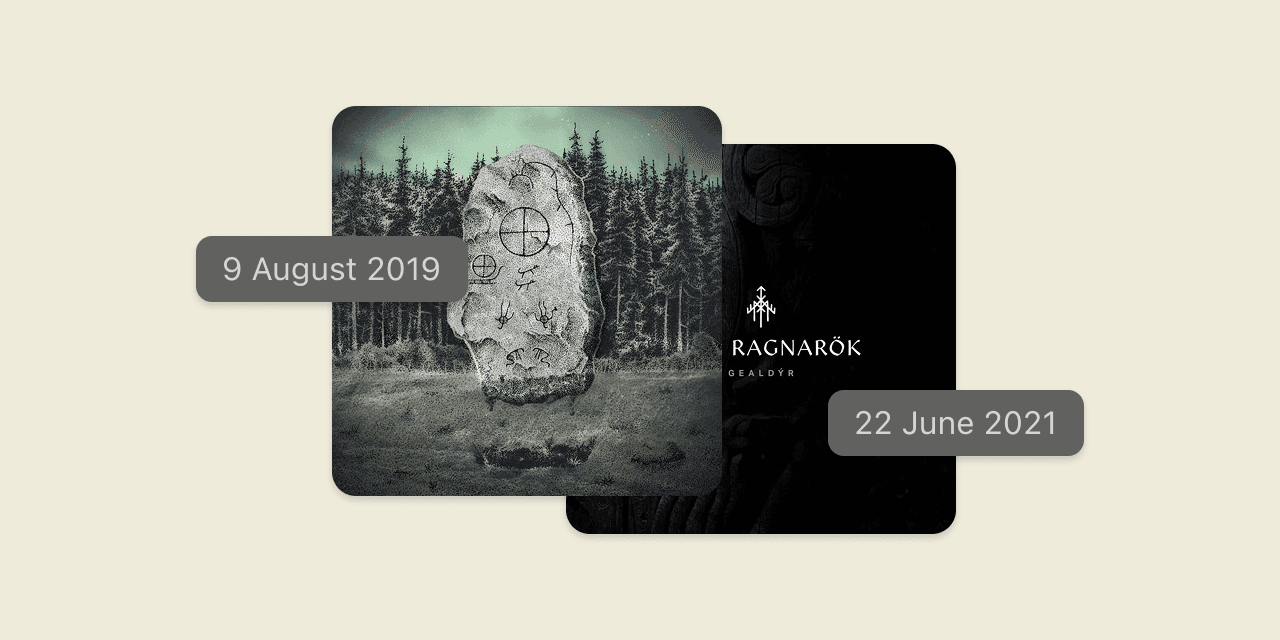
A history that predates the AI wave
AI-generated music became widely available around 2024. If a project has a discography from before that time, then that's also good proof on its own. This doesn't mean newer artists aren't real, but it deserves a closer look.
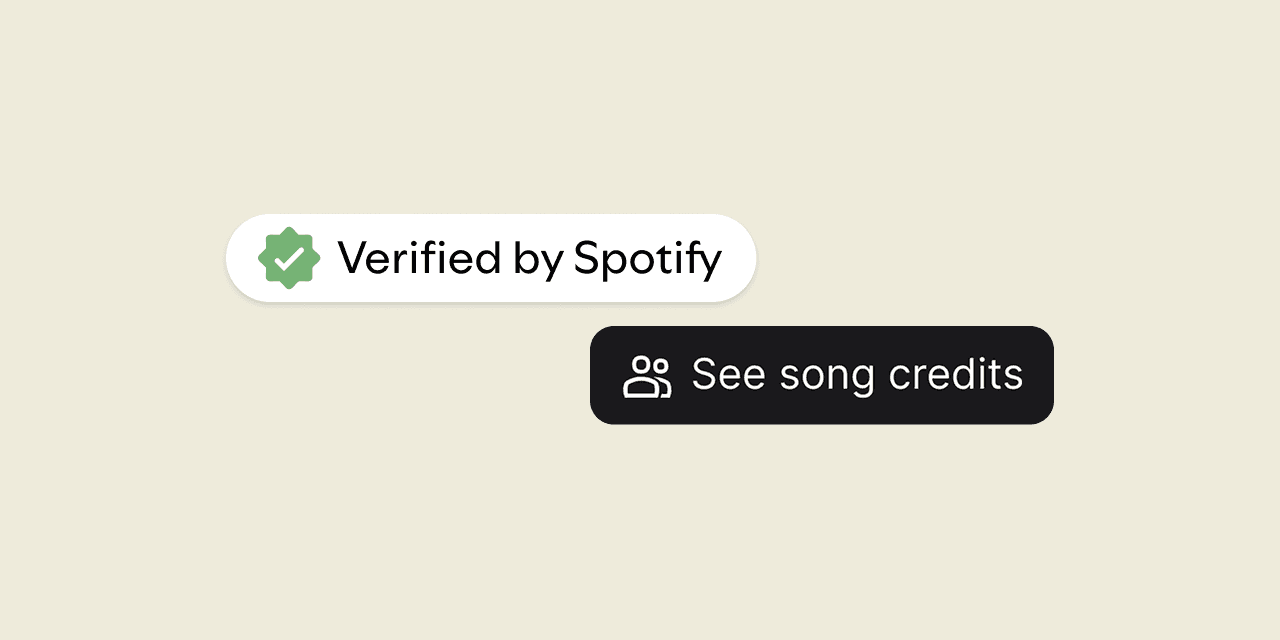
Credits and verified profiles
On Spotify, real artists with 10.000+ listeners per month should have the "Verified by Spotify" badge. Make sure to also check the credits of a song. Are there real people behind it?
Important: not all real artists with 10.000+ listeners per month got the badge on Spotify yet. And some AI artists use fake names in the credits. So use this as one of the signals, and not the final answer.
Trust your ear
Real music has emotions and imperfections. AI-generated music often sounds too perfect and too electronic.